

Three ventures, one vision: reimagining social impact in Africa
A conversation with Isaac Jumba about the importance of local expertise, regenerative futures, and the power of focus

Are you co-creating?
Check out our new companion for navigating more inclusive collaboration
In Praise of Nuance
Why complexity, uncertainty and dialogue matter even more in an age of binary thinking

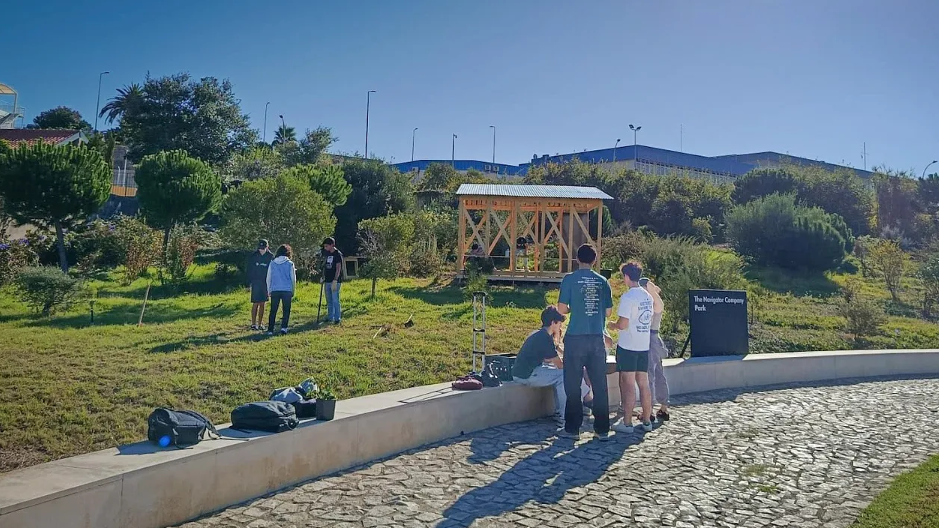
Building the Cocoon: a community garden milestone
Meet the connectors, cross-pollinators, storytellers, and builders behind our new garden structure
Growing leaders, growing communities
Through conversations with passionate and mindful designers, The Design Thinking Podcast Roundtable explores various aspects of design and how it can create change and social impact
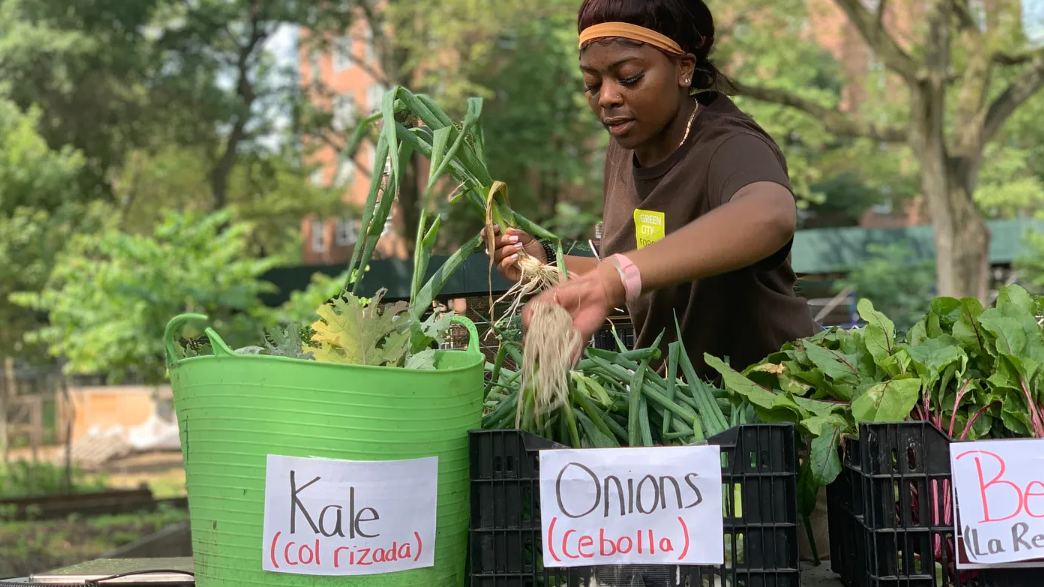
From prototype to platform – accelerating sustainable change
How a startup is streamlining renovation, speeding up climate action and building momentum for greener futures
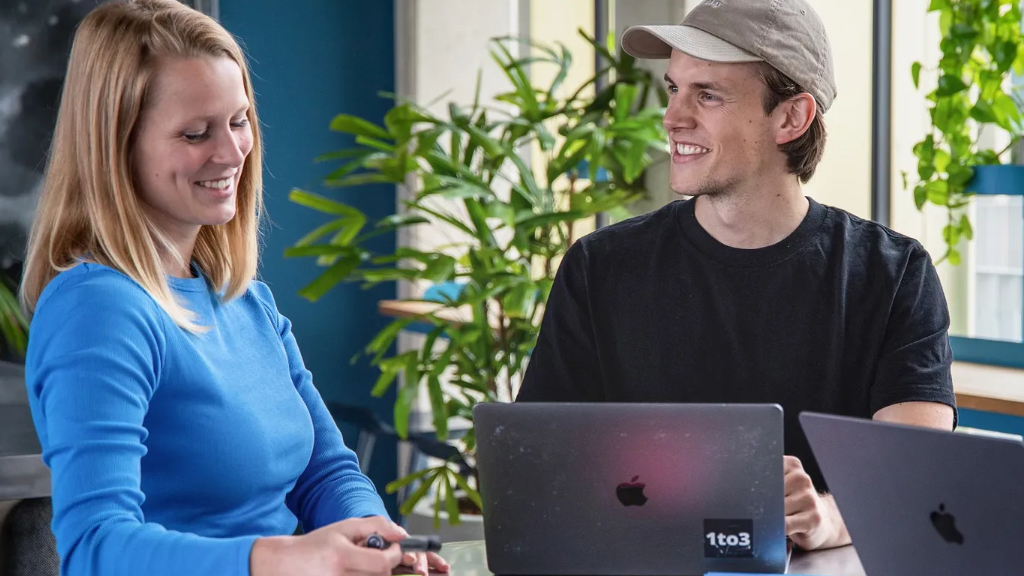
Why writing is a future-ready skill in the 21st century
Sharpening our ability to articulate complex ideas matters more than ever in our digital, distributed world

Empowering the changemakers within
CEBRA Talent co-founder Marielen Winter on the power of young professionals to transform organisations through impact intrapreneurship.
Migrants and students co-design change
What happens when student solution seeking meets the reality of migration? The answer is potentially transformative.
Stories from our community garden guardians
Meet some neighbours, dreamers and staff who are cultivating more than just plants in our shared soil
Tales of the Field: a Nepalese social activist
Our upcoming Social Innovator in Residence Pushpa Joshi on challenging stigma and reclaiming women’s health rights.

Discovery Week at our community garden
From orientation to cultivation – how new students found common ground in soil, seeds, and shared purpose
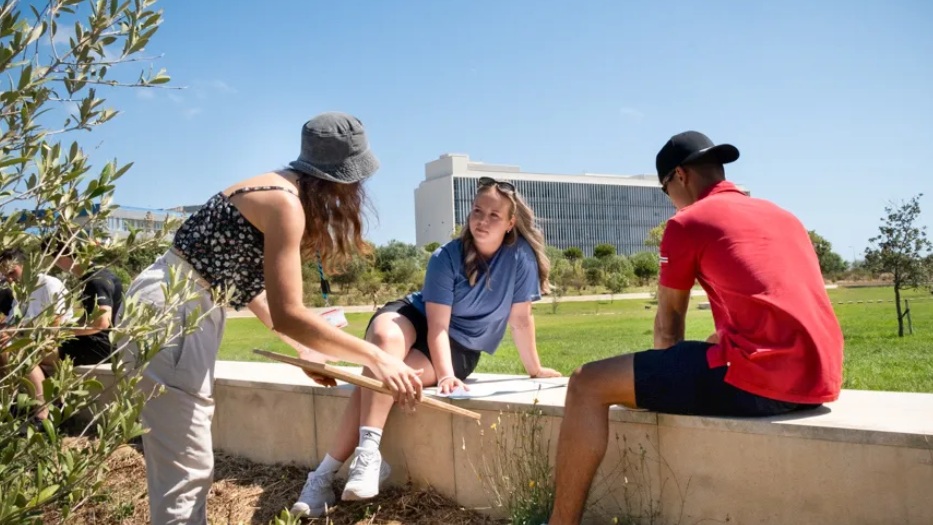
Beyond migration stories: where are the women?
Homelore founder Riddhi Varma on reimagining how we value craft, culture, and belonging

Insights on both urgency and patience
Our research on social innovation timing – the surprising power of compressing and stretching deadlines
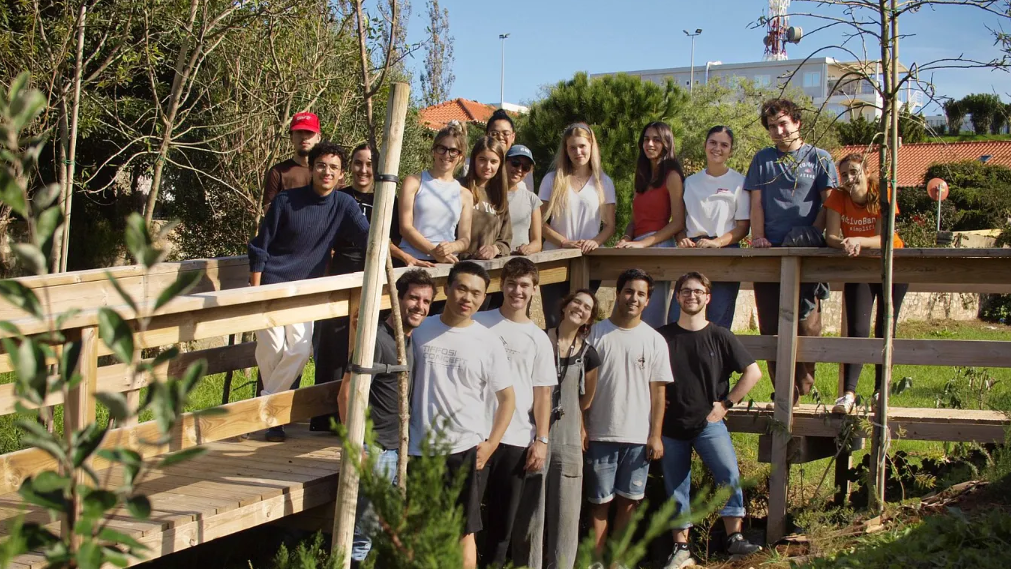
More than a garden: how DESIS Lab is cultivating community
A thriving hub for connection, learning, and social innovation at Nova School of Business and Economics.
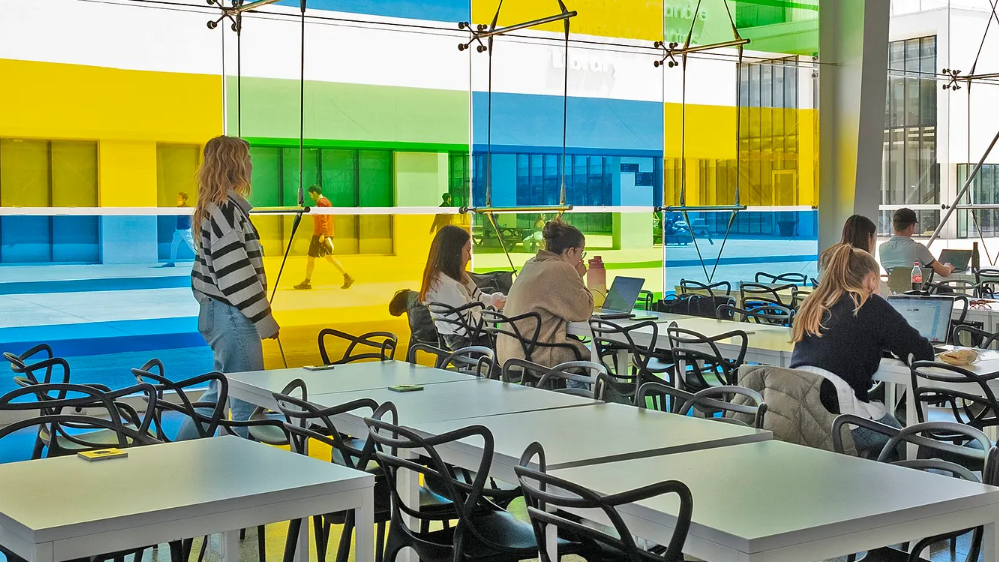
Bringing an institutional space to life: the C3 story
Activating community, collaboration, creativity (C3) as dynamic tools for change
Team Up for Climate
Sixteen teams were selected, including four from Anne-Laure Fayard’s Design Thinking for Social Innovation course at Nova SBE. One of these teams became a finalist and presented its project at UNESCO.
More stories
Onesta: Nova SBE Students Present Idea to Mitigate Youth Mental Health Problems – Onesta – Your Safe Space is an app that connects students with volunteer-staffed psychology students and graduates to provide quick, cheap, and convenient peer-to-peer support – https://www.novasbe.unl.pt/en/whats-happening/news/news-detail/id/1010
Inclusive Green Economy – Our first Social Innovator in Residence, Lisbeth Shepherd, shared her vision for an inclusive green economy – https://www.publico.pt/2022/04/01/video/economia-verde-inclusiva-case-study-green-city-force-20220401-154029 –
Anne-Laure Fayard wrote an opinion editorial article about “A praise of nuance“, featured in Observador (April 2024).
Anne-Laure Fayard wrote an opinion editorial article about “The Hare and the Tortoise: Pacing and Nurturing Open Social Innovation“, featured in Observador (January 2024).
Anne-Laure Fayard moderated a panel at Estoril Conferences, organized by Nova SBE, with Ezio Mazzini and Miguel Pinto Luz (September 2023).
Anne-Laure Fayard wrote an opinion editorial article about “Writing is a future-ready skill in the 21st century“, featured in Observador (October 2023).
On March 8th, 2023, Anne-Laure Fayard was interviewed by Líder on “Discrimination of the 21st Century – what are women’s challenges in science?”.
On November 28th, 2022, Anne-Laure Fayard was cited in “Privacy at work and the rise of the ‘quiet space’”, Financial Times, Emma Jacobs.
On September 30th, 2022, Anne-Laure Fayard was cited in the article “Tesla’s Optimus and the big questions in the quest to make a humanoid robot” by Trevor Laurence Jockims, for CNBC.
On May 20th, 2022, Anne-Laure Fayard discussed “Technology-as-Monster: a generative metaphor to explore artificial intelligence possibilities and risks” during the first R:ETRO webinar (Reputation: Ethics, Trust, and Relationships at Oxford) from Saïd Business School, University of Oxford.
Anne-Laure Fayard was one of the experts interviewed by Economist Impact for their multi-phase research programme to assess the prospects for hybrid work around the world.
On April 23rd, 2022, Anne-Laure Fayard was quoted in the opinion piece “New frontiers of hybrid work take shape for the post-Covid world” by Emma Jacobs, for the THE IRISH TIMES.
On March 30th, 2022, Anne-Laure Fayard was interviewed for the piece “What Libraries Say About the Future of Offices” written by Kevin J. Delaney for Time.
On March 4th, 2022, Anne-Laure Fayard was named one of the EUCLID Top 100 Women in Social Enterprise, featuring women leaders in social entrepreneurship and innovation.
On November 15th, 2021, Público published an opinion piece by Anne-Laure Fayard: “There is no magic formula for climate change: it is everyone’s responsibility and work!”.
Anne-Laure Fayard participated in The Return to Workplace Summit.
On July 12th, 2021, Líder Magazine #14 published an opinion piece by Anne-Laure Fayard: “Reset work: crises as opportunities for change”.
Anne-Laure Fayard was the guest speaker in HBR IdeaCast, in the episode of Workplace Design, Post-Pandemic (Back to Work, Better).
The article “Collaborating is Hard Work” in Stanford Social Innovation Review (2018) featured Anne-Laure Fayard and Beth Bechky’s project.
Anne-Laure Fayard featured in three GovLabAcademy’s interviews:
How can we generate ideas?
How to conduct an ideation experiment?
What is OpenIDEO?
Anne-Laure Fayard was a keynote speaker at the Collective Intelligence Conference (2016).
Anne-Laure Fayard was a keynote speaker at the Collective Intelligence Conference at NYU Stern on June 3rd, 2016. She talked about the “The power of Communities for Social Impact”